Published by Maximum Packaging
A house move is easier when you buy the right boxes once, rather than scrabbling for more halfway through. This guide covers the box types that matter, how much tape and protection to budget for, and a simple room-by-room way to estimate quantities.
If you're a removals or storage business rather than a one-off mover, skip to the trade section at the end.
Box types and sizes
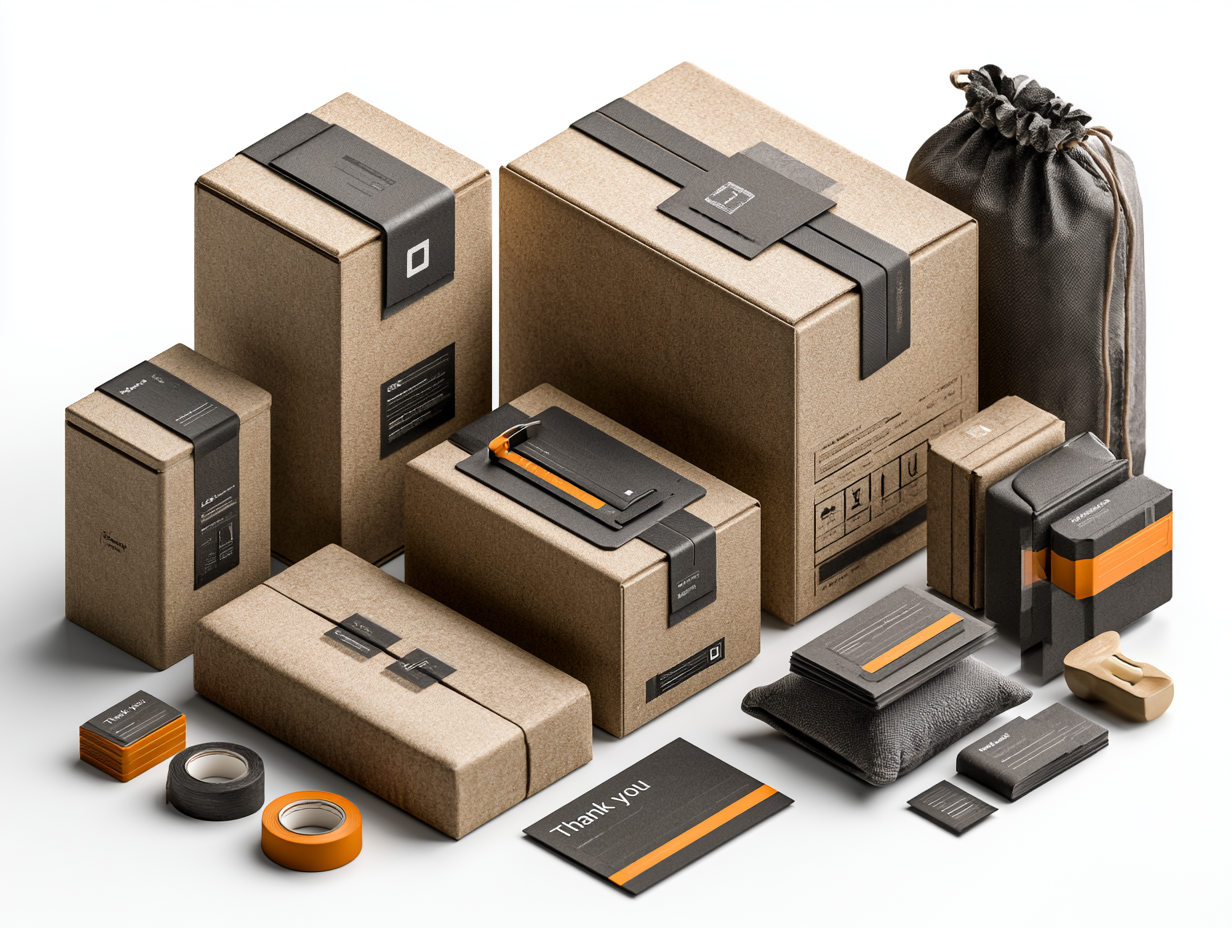
- Standard (medium) double-wall boxes for heavy items — books, kitchenware, tools. Keep heavy boxes small so they stay liftable.
- Large boxes for light, bulky items — bedding, cushions, clothing.
- Wardrobe boxes with a hanging rail for clothes you don't want to fold.
- Double-wall over single-wall for moving: it resists crushing when stacked in a van or storage unit, and survives multiple moves.
Tape and protection
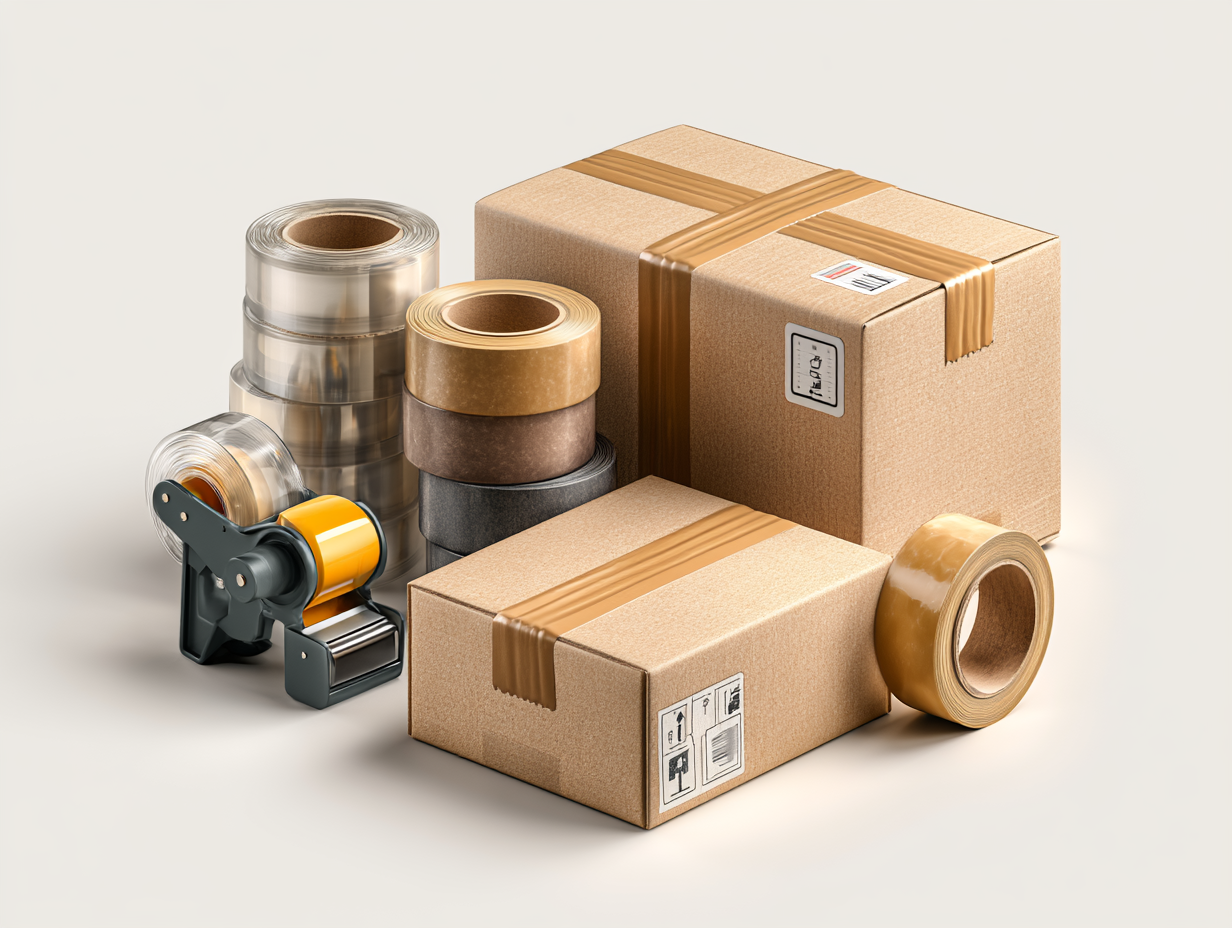
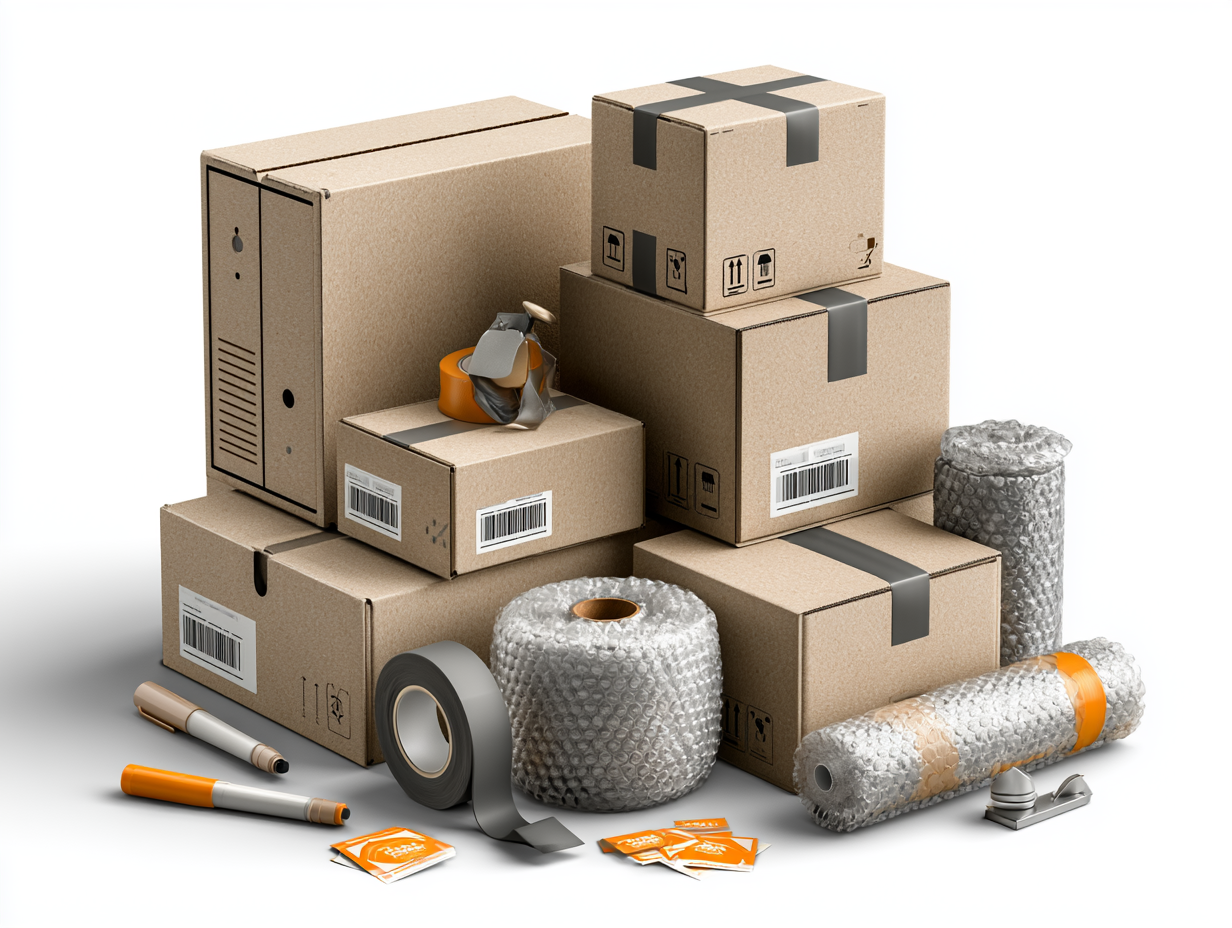
Budget more tape than you think — a typical move gets through several rolls double-taping box bases. A low-noise or vinyl polypropylene tape holds double-wall cartons securely.
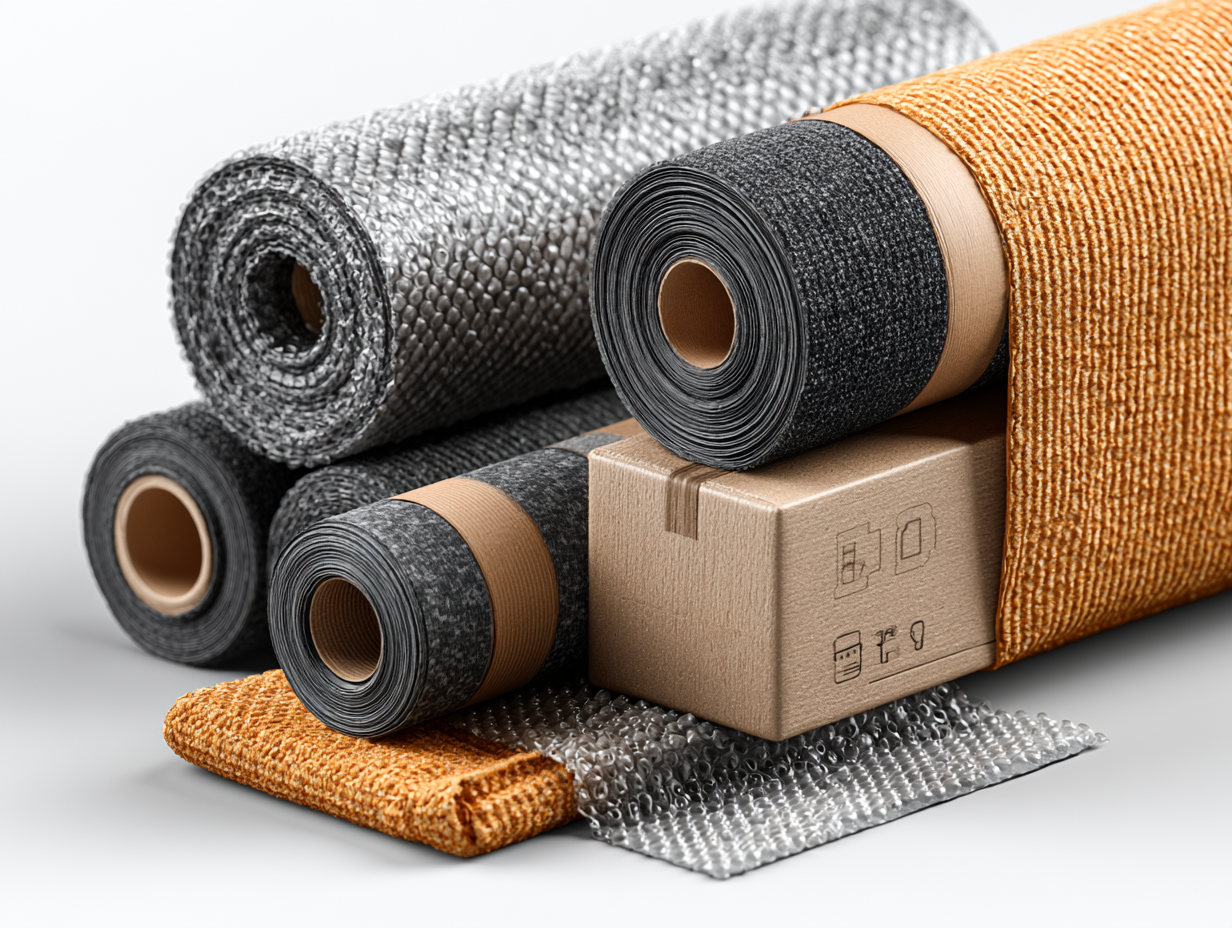
- Bubble wrap for crockery, glassware, picture frames and electronics.
- Packing paper or void fill to pad gaps and stop rattling.
- A marker pen to label each box by room — it saves hours at the other end.
A room-by-room kit plan
Rather than guess a single number, estimate per room. As a rough starting point for an average home:
- Kitchen: 5–8 medium boxes, extra bubble wrap and paper for glass and crockery.
- Each bedroom: 3–5 medium + 2–3 large boxes, plus a wardrobe box.
- Living room: 4–6 boxes plus bubble wrap for electronics and frames.
- Loft/garage/shed: highly variable — add a batch of extra double-wall boxes.
Kits vs buying separately
If you'd rather not itemise, a house-move kit bundles a sensible mix of boxes, tape and bubble wrap for a given property size and works out cheaper than buying each part individually. For unusual needs you can always add extra boxes.
For removals and storage businesses
If you move or store goods for a living, you're buying boxes and tape continually. A trade account gives consistent pricing on the lines you use most, and bulk quotes cover one-off large contracts. Tell us your typical monthly usage and we'll price it.