Published by Maximum Packaging
In a warehouse or despatch operation, packaging is a running cost and a throughput factor. Specifying the right pallet wrap, void fill, tape and labels keeps loads secure, protects goods and keeps the bench moving — while a reliable repeat-supply arrangement stops you running out.
This guide covers the main consumables and how to think about ongoing supply.
Pallet wrap: gauge and film type
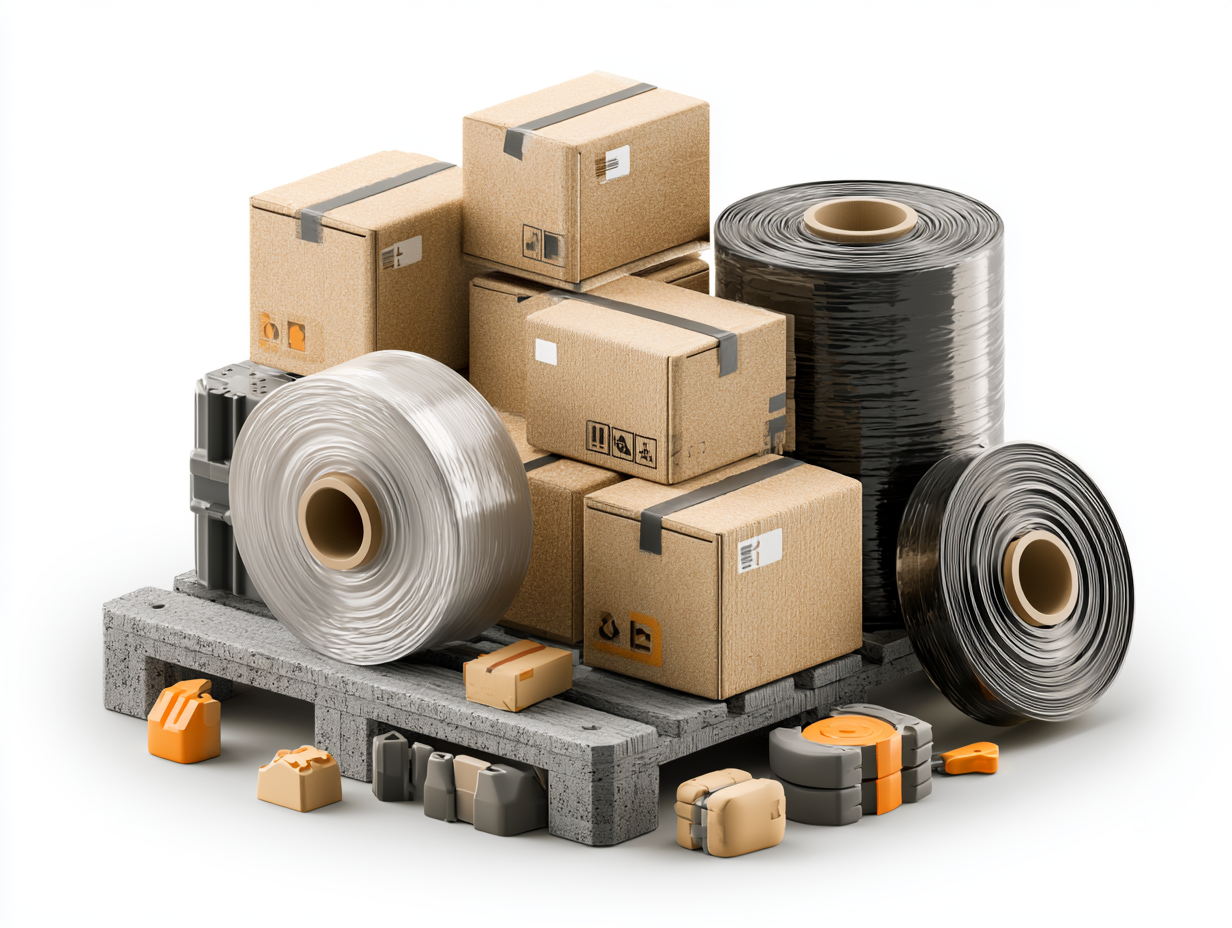
Pallet wrap (stretch film) secures loads for storage and transit. The two decisions are gauge (thickness) and whether to hand-wrap or use a machine.
- Light loads: often fine with 17–20 micron film. Heavier or sharp-edged loads: 23 micron or above.
- Pre-stretched film gives similar hold using less plastic — good for cost and waste.
- Cast film is clear and quiet (easy label scanning); blown film is tougher with more cling. Machine film suits higher throughput.
Void fill at volume
For despatch teams, void fill choice affects both protection and speed. Kraft paper on a dispenser stand is fast for hand-packing; loose fill suits awkward shapes; air cushions use the least material per parcel but need an inflator.
Right-sizing cartons reduces how much void fill you use per order — often the biggest saving.
Tape for a busy bench
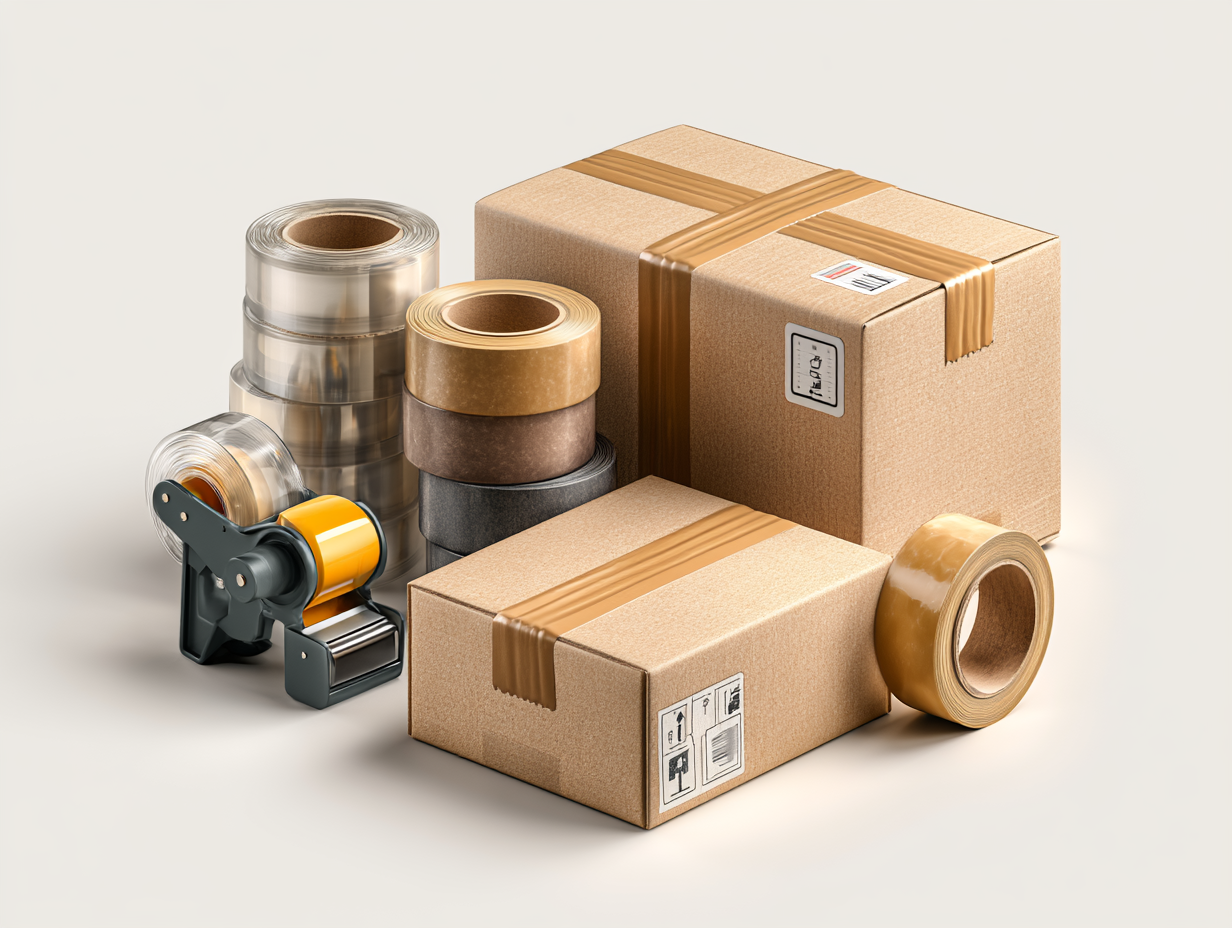
- Standard or low-noise polypropylene tape for general single-wall cartons.
- Stronger vinyl or gummed paper tape for heavy or double-wall cartons.
- Consider a tape gun / dispenser per packer to speed sealing and reduce waste.
Labels and compliance
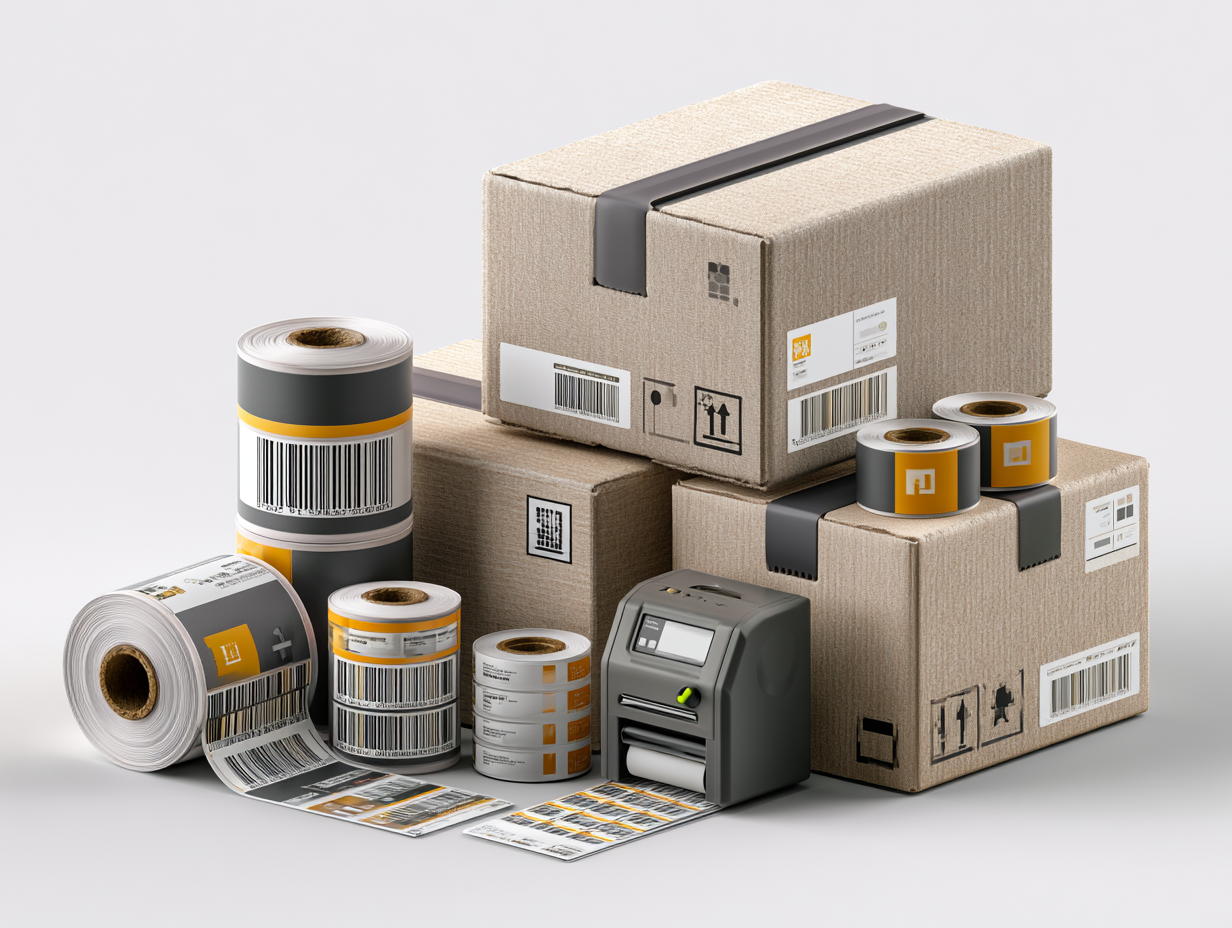
Thermal labels keep despatch accurate; direct thermal suits courier printers with no ribbon. Pre-printed handling labels (Fragile, This Way Up) flag careful handling, and blank rolls cover custom messages.
Repeat supply and trade accounts
The biggest practical win for a warehouse is not running out. A trade account gives consistent pricing on the consumables you use most and a single point of contact, so reordering is quick. For large or predictable usage, a bulk quote by the pallet keeps unit costs down.