Published by Maximum Packaging
Getting ecommerce packaging right is a balance of three things: protecting the product, keeping postage costs down, and packing quickly. This guide walks through the decisions most UK sellers face, from choosing between boxes and mailers to knowing when it's worth moving to bulk or trade pricing.
It's written to help you specify the right materials the first time — which is the cheapest way to cut damage, returns and wasted packaging.
Boxes vs mailing bags
The first decision is whether a product needs the rigidity of a box or can go in a mailing bag. It usually comes down to fragility and shape.
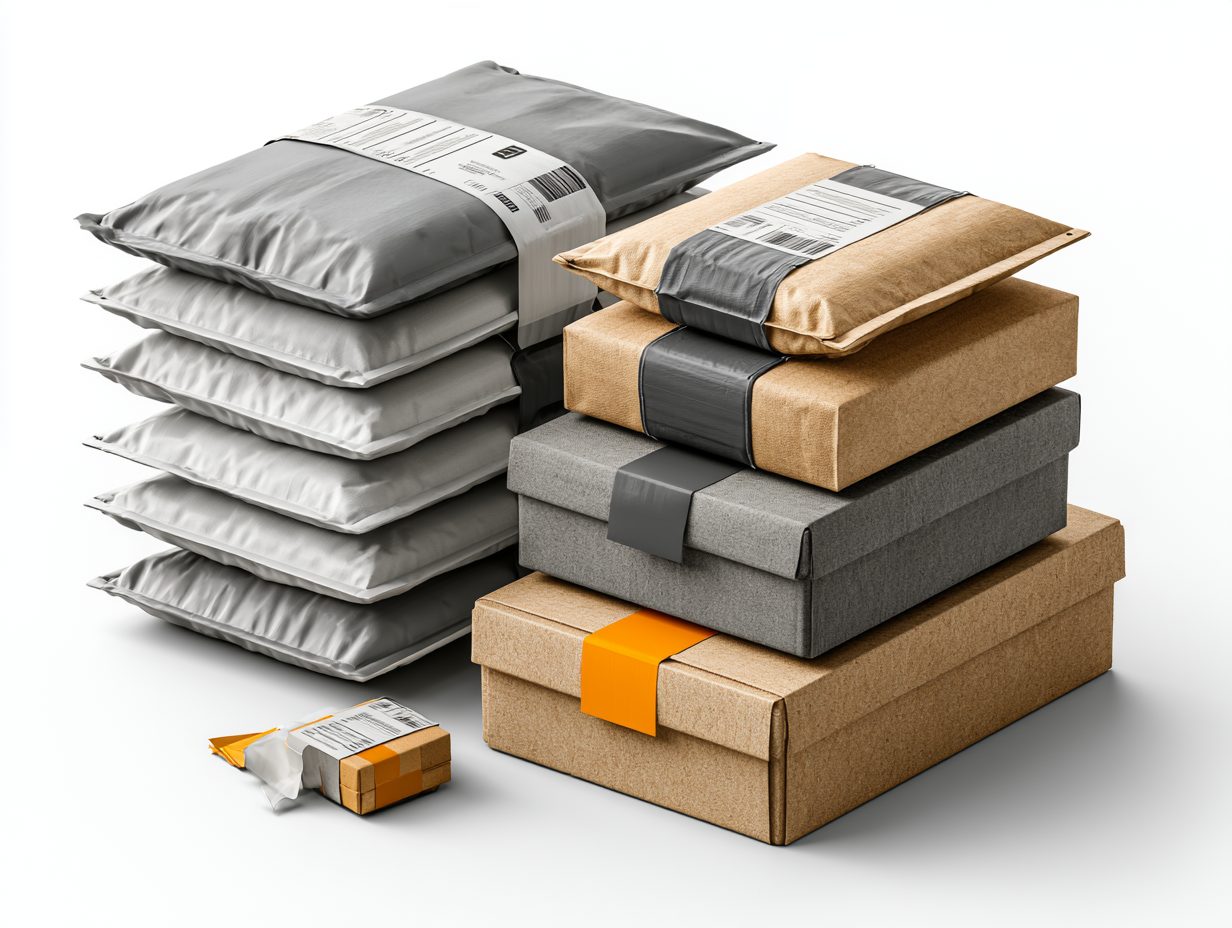
- Use mailing bags for non-fragile soft goods — clothing, textiles, accessories. They're lighter, cheaper and faster to pack.
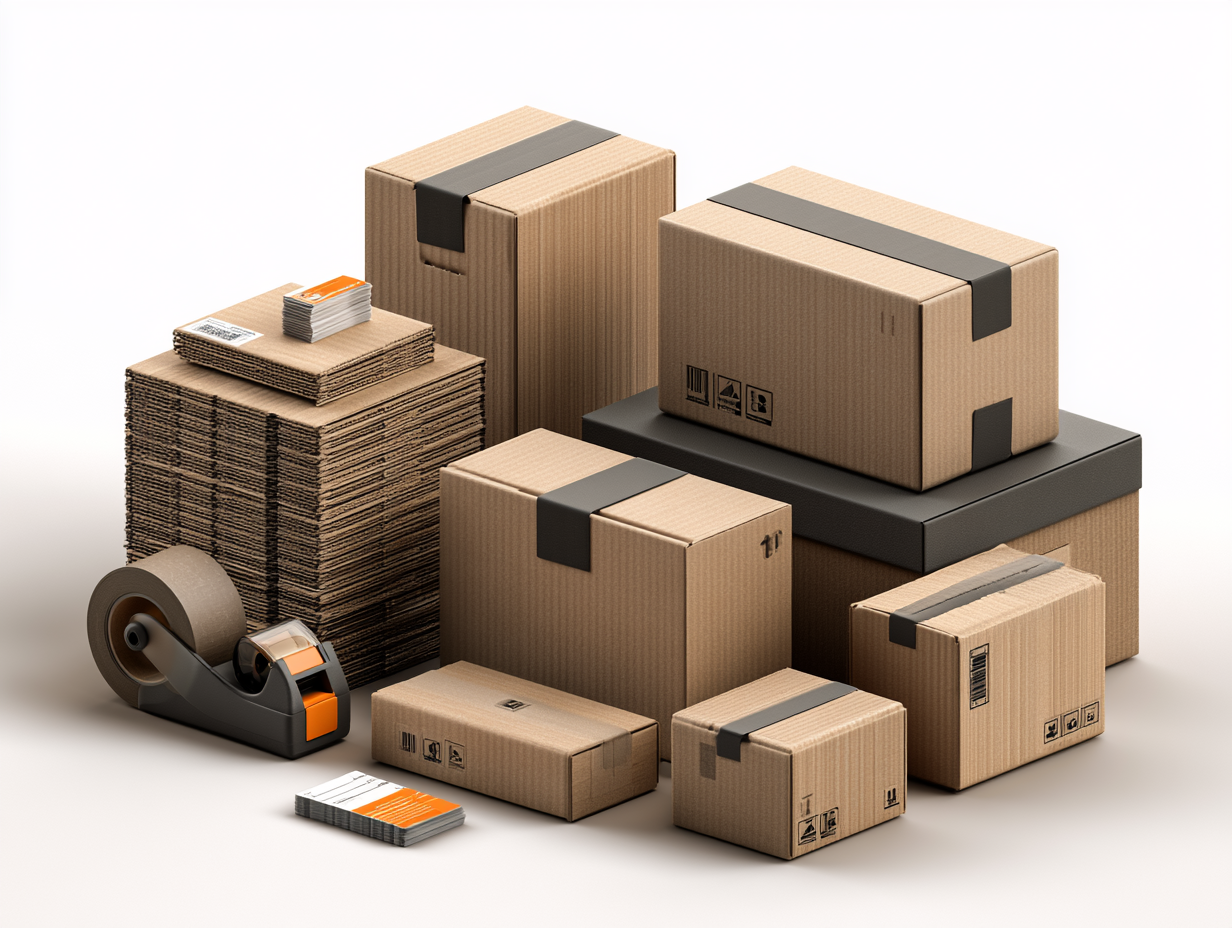
- Use postal or mailer boxes for anything rigid, fragile, or where presentation matters (the unboxing experience).
- Books and flat items often suit rigid mailers or PiP boxes rather than bags, which offer little edge protection.
Hitting Royal Mail Large Letter (PiP) rates
Royal Mail prices in proportion (PiP) to size and weight. A parcel that just tips over the Large Letter limit jumps to the Small Parcel rate, which can more than double your postage.
Large Letter items must be within 353mm x 250mm x 25mm. Our PiP postal boxes are cut to sit inside those limits, so if your product fits within 25mm depth, a PiP box keeps you on the cheaper rate.
Protecting products in transit
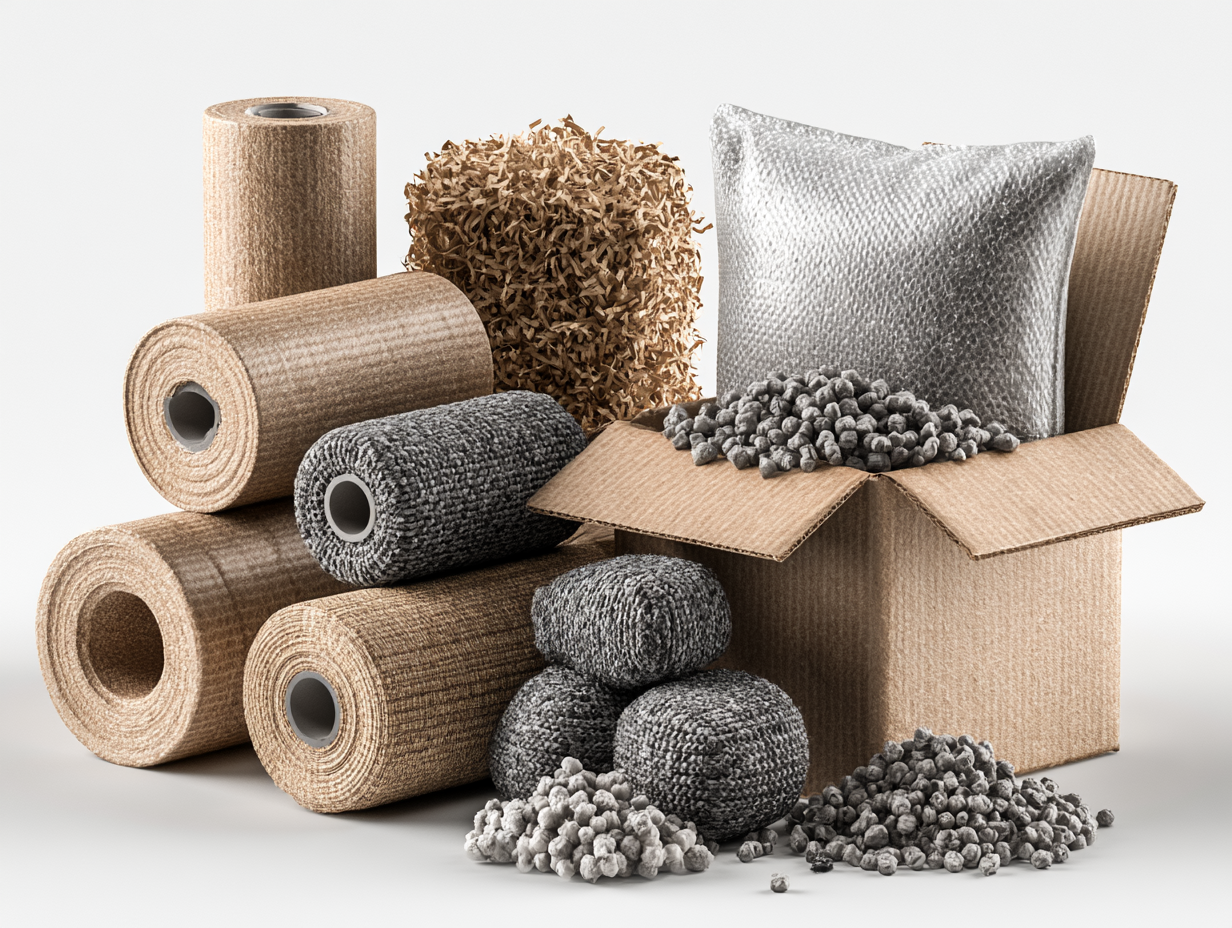
- Fill any gap larger than about 3cm so the product can't move — void fill paper, loose fill or air cushions all work.
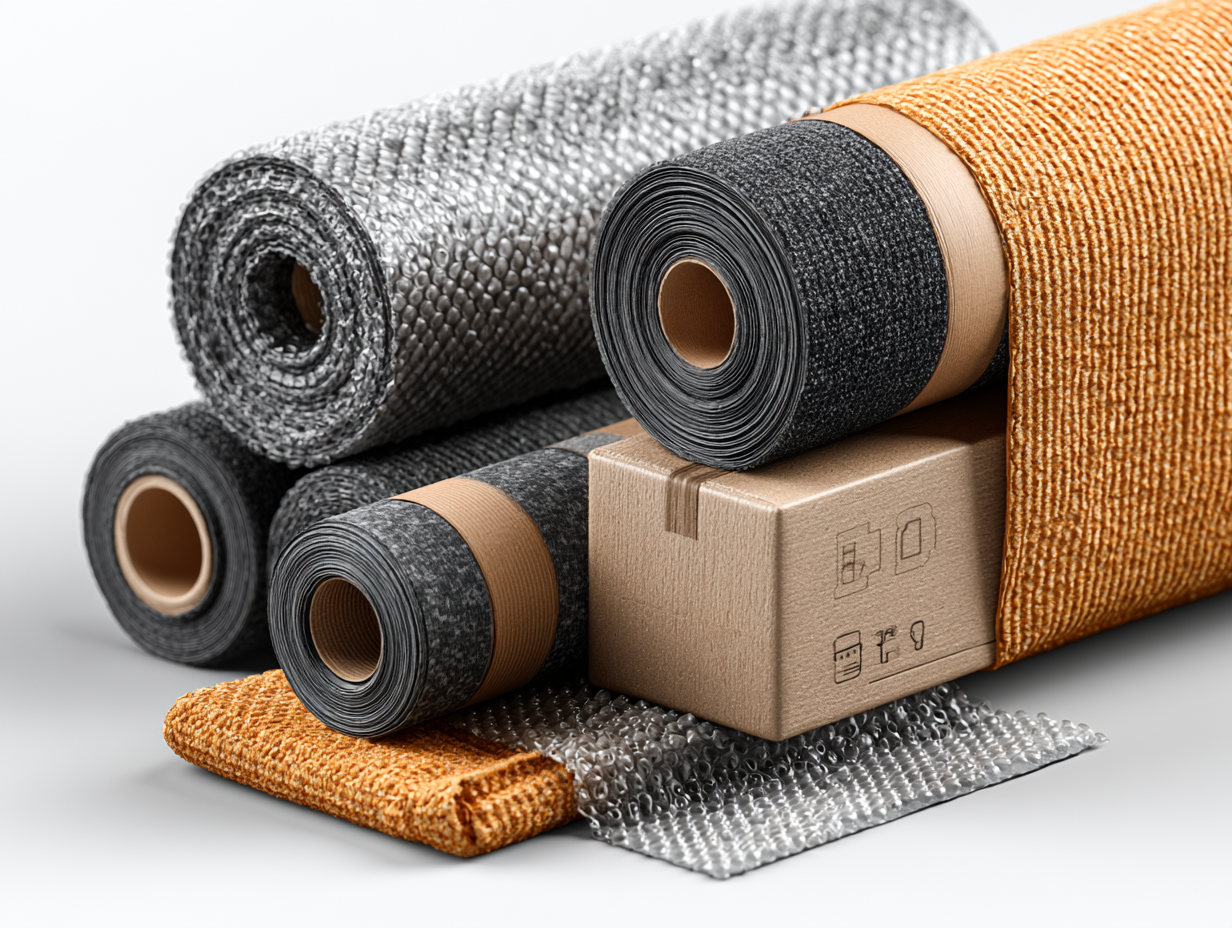
- Wrap fragile surfaces in small-bubble wrap; use large-bubble for heavier or more delicate items.
- Right-size the box first. A smaller box with less void fill is cheaper and less likely to be crushed than a big box half-full of paper.
Labels and tape
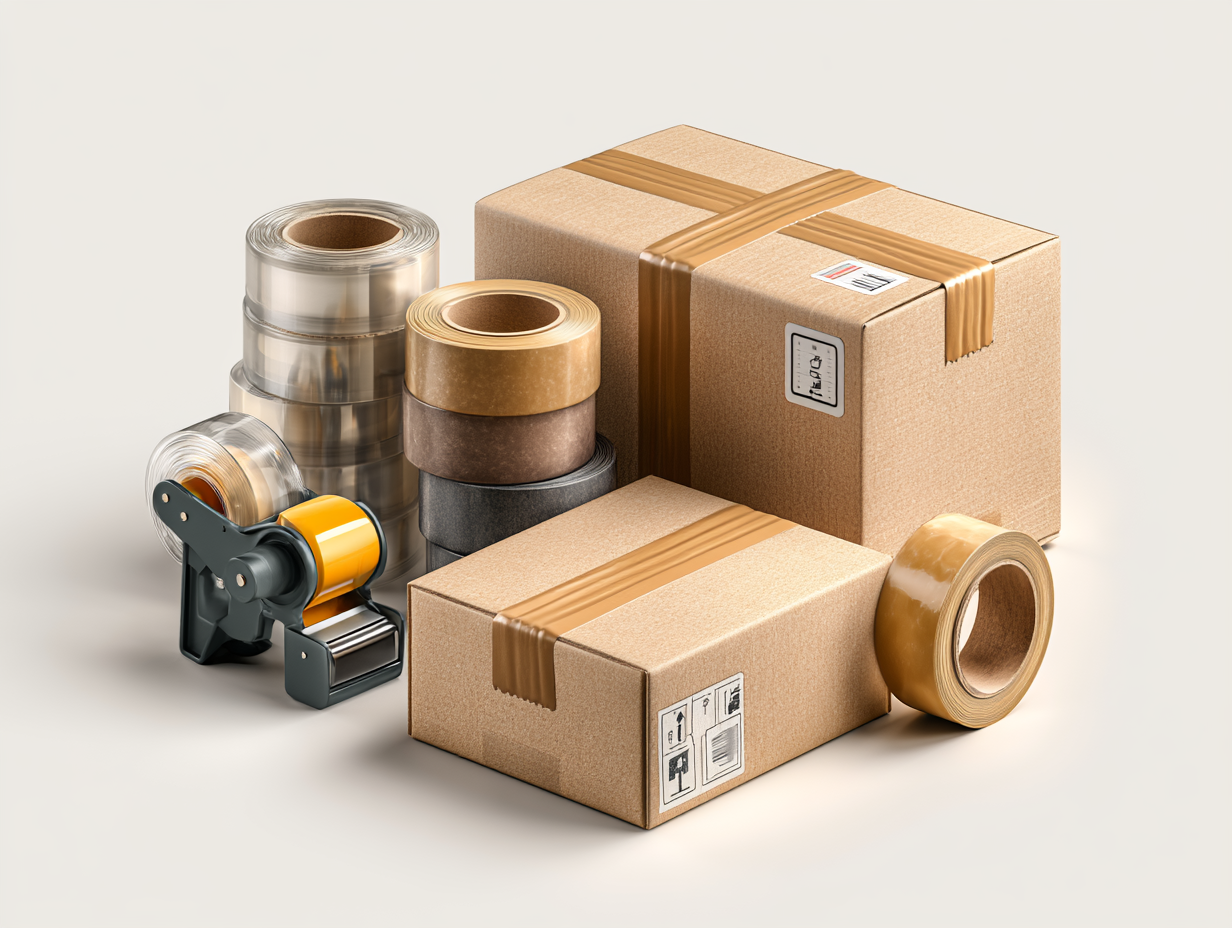
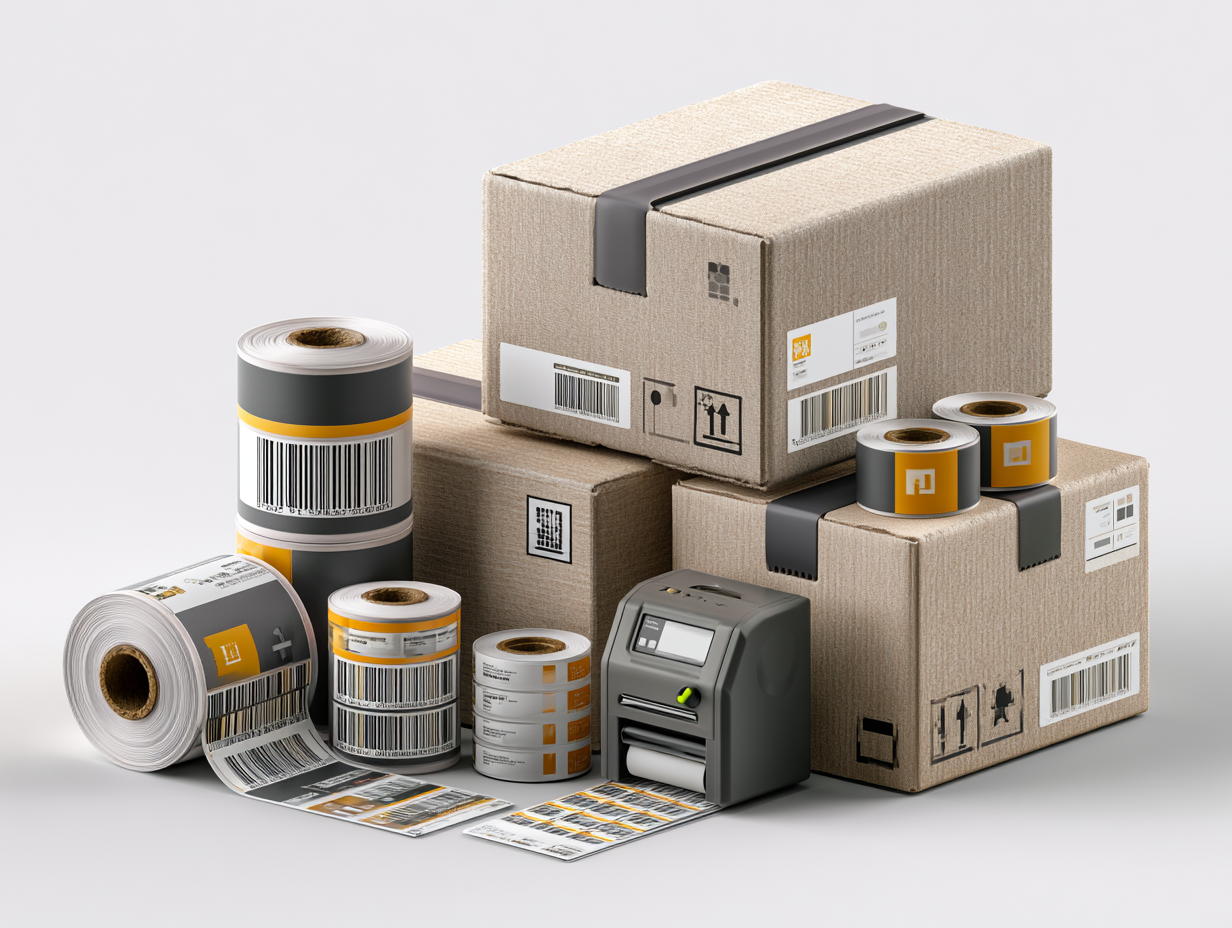
A tidy despatch bench runs on consistent labels and reliable tape. Direct thermal 4x6 labels suit most courier printers with no ribbon needed, and low-noise polypropylene tape seals single-wall cartons quickly.
For plastic-free despatch, pair paper mailers or kraft boxes with paper gummed tape, which recycles kerbside with the carton.
When to request bulk or trade pricing
Once you're sending steady volumes, per-unit price matters more than convenience. If you're ordering the same lines every few weeks, a bulk quote or trade account will usually beat buying in small packs.
It's also the point to consider custom-printed boxes, tape or mailers — these are made to order with minimum quantities, so they make sense at volume.